The v2.2 runtime upgrade is complete. This is one of the biggest releases we've shipped, and it lays the groundwork for three things landing over the coming days: TRON support, Lending 2.0, and a new oracle-tracking Stablecoin Strategy. Each is a part of the same upgrade, and each will get its own rollout as it comes online.
Here is what v2.2 brings.
New chain: TRON
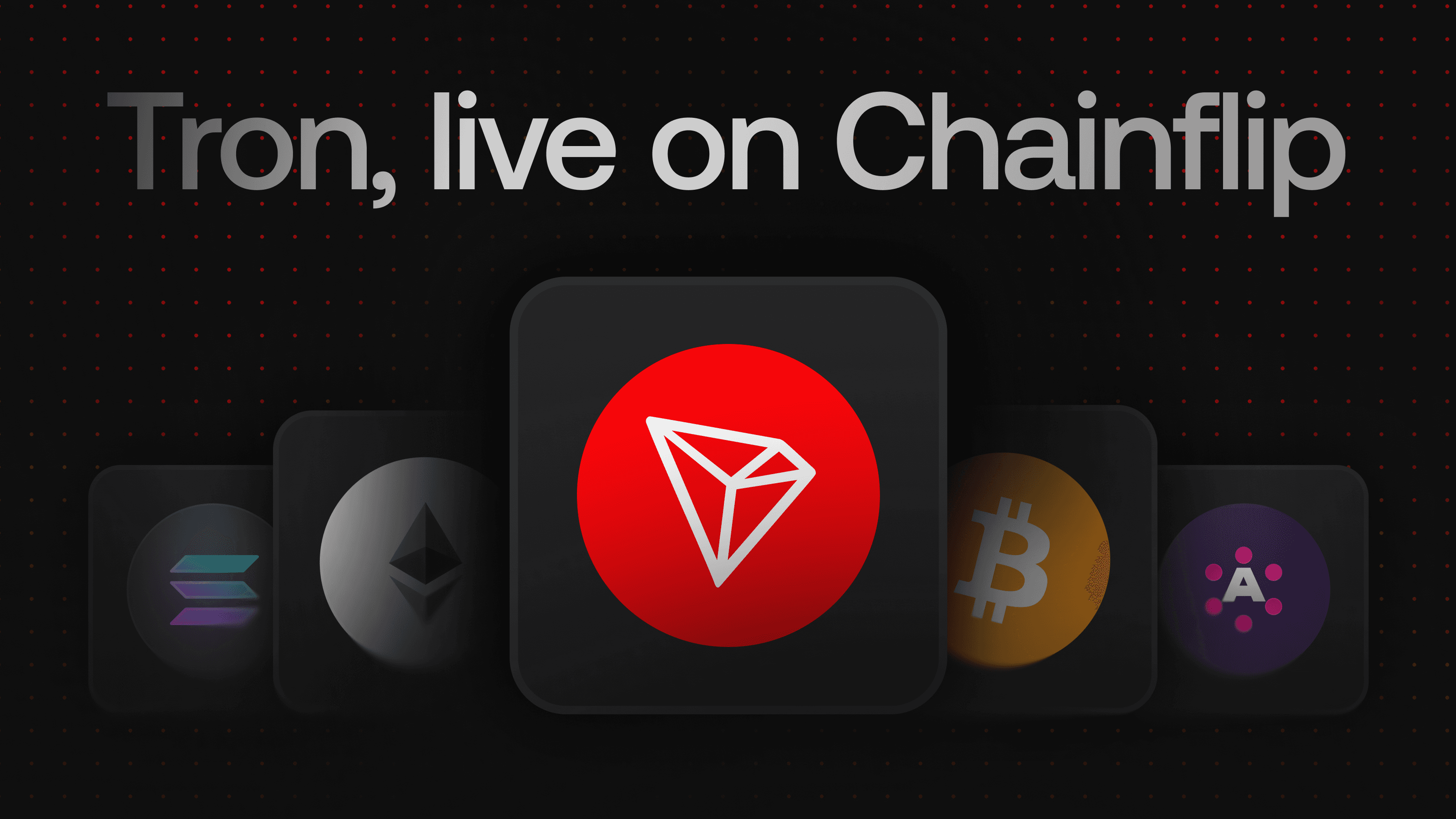
TRON is now supported at the protocol level. This is the first step in bringing the most used stablecoin chain in crypto into Chainflip, to enable native swaps without KYC or a CEX.
TRON moves more USDT than any other chain, and connecting it directly to Bitcoin, Ethereum, Solana, and the rest of the assets on Chainflip has been one of our most requested integrations. With v2.2 live, the foundation is in place.
Liquidity and routing will ramp up through the week as liquidity providers and integrators bring their systems online. You will start to see TRON appear across the ecosystem shortly. We will follow up with a dedicated launch once swaps are running smoothly, so keep an eye out for the full TRON announcement, including a walkthrough video and supported routes.
Upgrade: Lending 2.0
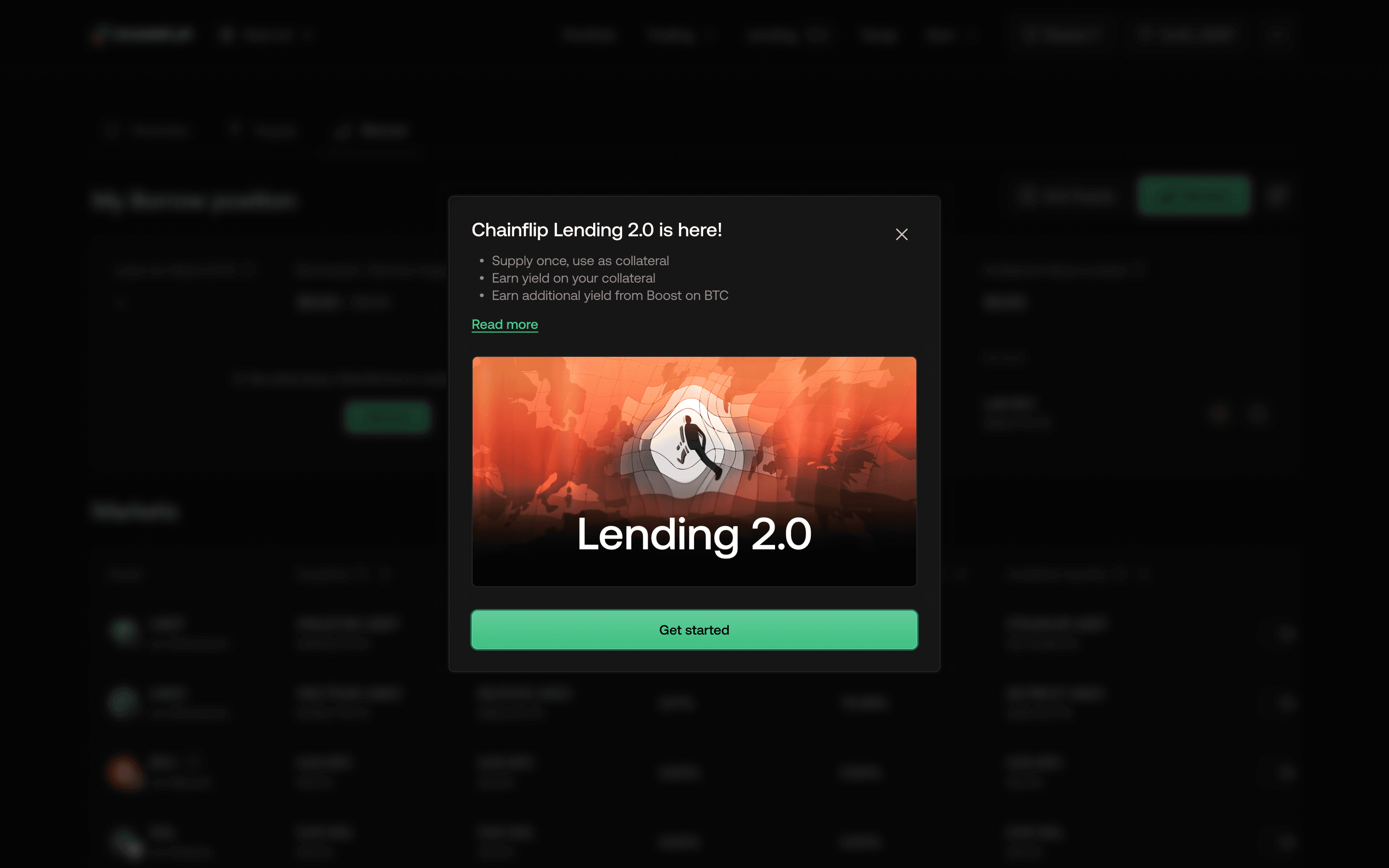
v2.2 ships Lending 2.0, a rework of how collateral functions on Chainflip. Supplied assets are no longer locked and idle. Under the new unified pool model, supplied funds become collateral that can be put to work while staying fully covered for loans.
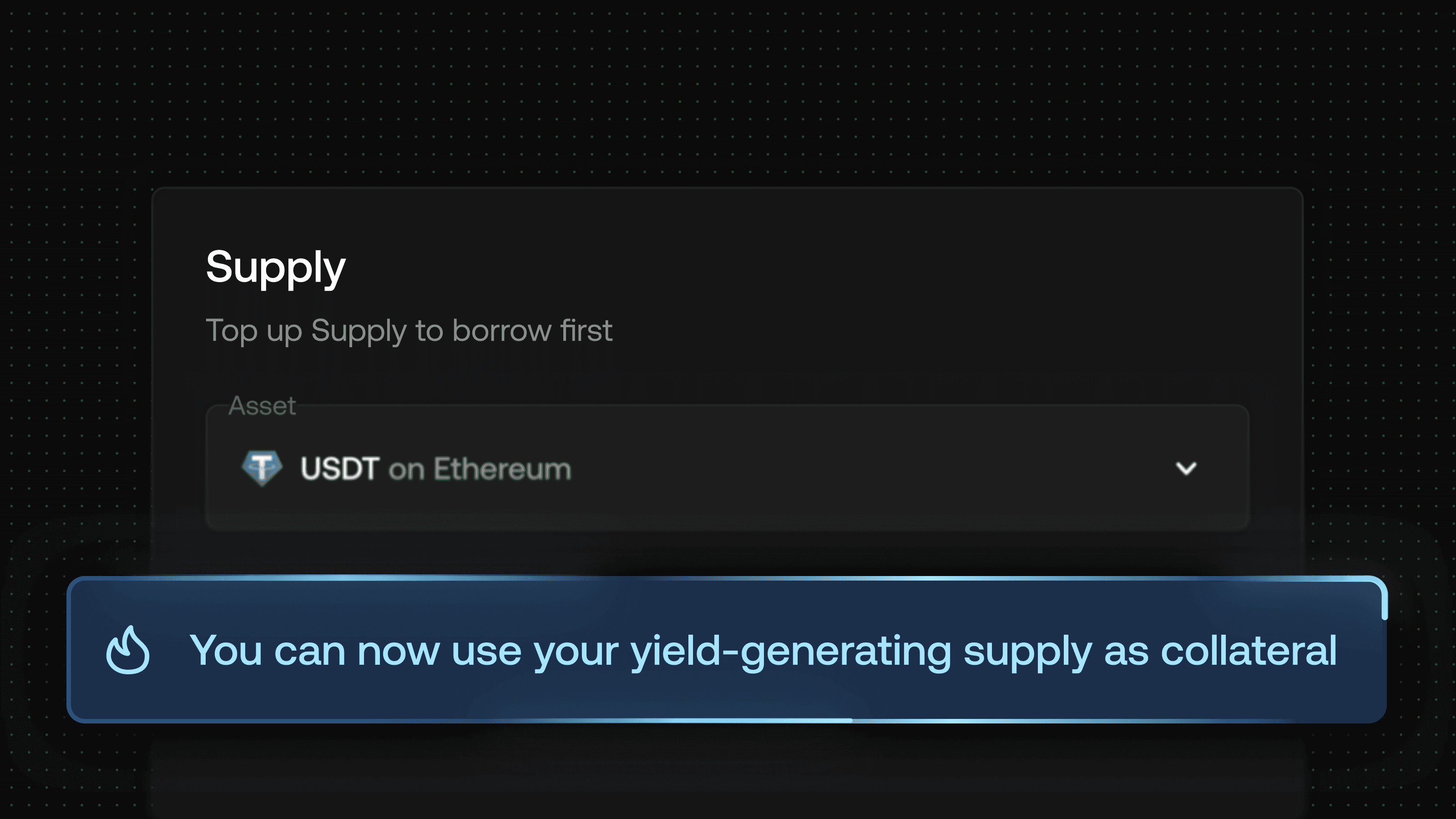
For Bitcoin suppliers, this means earning additional yield through Boost. BTC in the lending pool helps power Boosted swaps and earns a share of the swap fees, generating returns even at low utilization. Existing loans migrate to the new model automatically.
We cover the full mechanics, including loan coverage, interest rates, and how Boost yield works, in the Lending 2.0 announcement. A dedicated go-live announcement is coming.
New feature: Oracle-based stablecoin strategies
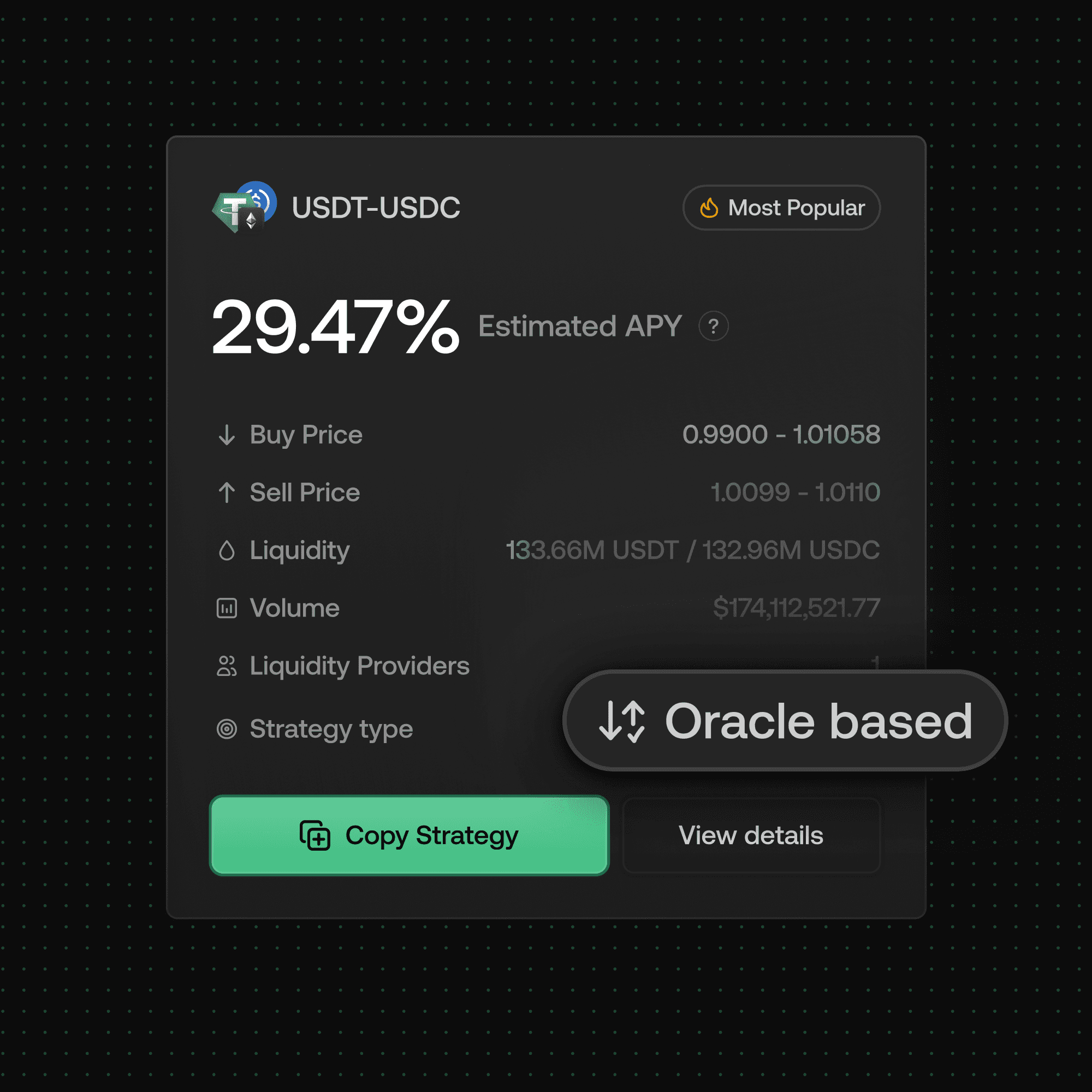
v2.2 gives liquidity providers a new way to run stablecoin strategies. When you create a strategy on lp.chainflip.io/strategies, you can now choose between a regular strategy and an oracle-based one.
A regular stablecoin strategy places spread-based limit orders around the $1 peg, according to the spread you set, to earn passive, consistent yield on idle USDC and USDT.
An oracle-based stablecoin strategy keeps your liquidity centered around the current oracle price instead of a fixed peg. It dynamically adjusts the midpoint to reflect market conditions, which improves capital efficiency. When you set your spread, each point (your min and max buy and sell prices) is defined as a percentage deviation in ticks from the current oracle price, rather than as a fixed value.
Both options let you exit anytime, with no lockups. More on this to follow.
Also in this release
Furthermore, v2.2 includes a round of hardening and cleanup: lending broker fees, lending pools usable in boosting, refined liquidation mechanics, GRANDPA vote delegation support, a new RPC call for account info across all accounts, an election dashboard, and the removal of legacy witnessing code.
Announcements in the coming days
With v2.2 as the foundation, we will bring each piece fully online over the coming days, starting with TRON, then Lending 2.0, then the oracle-tracking stablecoin strategy. Each will be announced as they go live.
Resources
Swap Now - Start swapping native assets
Lend BTC - Borrow against native Bitcoin
Blog - Product updates and announcements
Chainflip Scan - Track swaps and network activity
Website - Explore Chainflip
Find us: